
When working with threaded pipe connections, ensuring a leak-free seal is essential. Even the smallest leak can lead to wasted water, reduced system efficiency, or safety hazards in the case of gas lines. That is why plumbers and experienced DIYers often reach for pipe joint compound, commonly known as pipe dope or thread sealant paste.
Pipe joint compound has been a trusted sealing method for decades, and with good reason. It provides a durable, reliable seal across a wide range of applications.
In this guide, you'll learn what pipe dope is, when to use it, how to apply it correctly, and mistakes to avoid. By following best practices, you'll have the confidence to tackle jobs of any size, from residential plumbing repairs to large commercial installations.
What Is Pipe Dope (Pipe Joint Compound)?
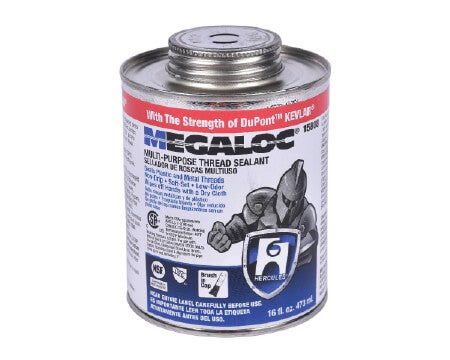
Pipe dope, or pipe joint compound, is a thick, paste-like material that is brushed onto the male pipe threads before assembly. Once applied, it fills the small gaps between threads, creating a tight seal that helps prevent leaks. Unlike plumber's tape, pipe dope also provides lubrication, which makes threading easier and reduces the risk of damaging the fittings.
As part of the broader category of thread sealants, it is available in different formulations, some rated for gas, potable water, high-temperature or high-temperature applications.
When Should You Use Pipe Dope?
Pipe joint compound is ideal for more demanding applications where a paste-based sealant performs better than tape. Use pipe dope for:
- High-pressure systems where tape may not provide enough coverage
- Large-diameter metal pipe threads, where paste fills thread gaps more effectively
- Hot-water or high-temperature connections, where tape may degrade
- Connections requiring future disassembly, since pipe dope lubricates and prevents binding
If you are unsure whether to use tape or compound, check out our comparison guide: Pipe Dope vs. Teflon Tape: Which Should You Use?.
How to Use Pipe Dope (Pipe Joint Compound) Correctly
A dependable seal comes down to proper preparation and technique. Follow these steps for the best results:
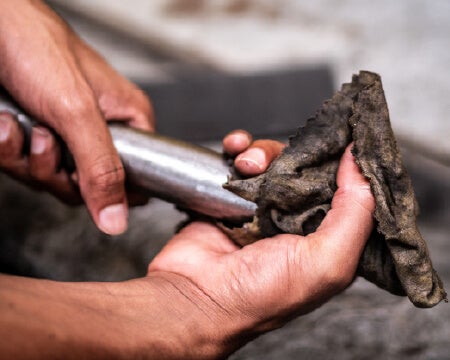
Step 1: Clean the Threads
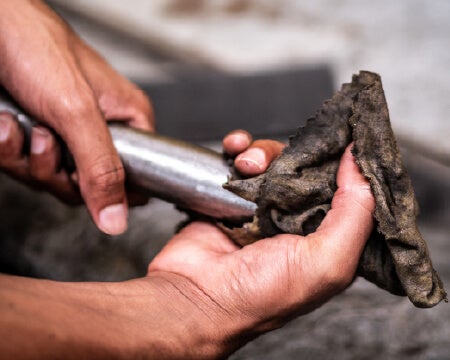
Before applying sealant, make sure the male threads are clean and dry. Using a clean cloth or a wire brush, remove rust, scale, old compound, or tape. Proper cleaning ensures the compound fills the entire root of the thread.
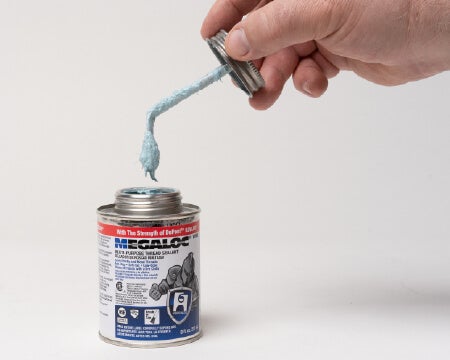
Step 2: Stir for Consistency
Before every use, stir it thoroughly. Mixing helps restore an even texture so it spreads smoothly.
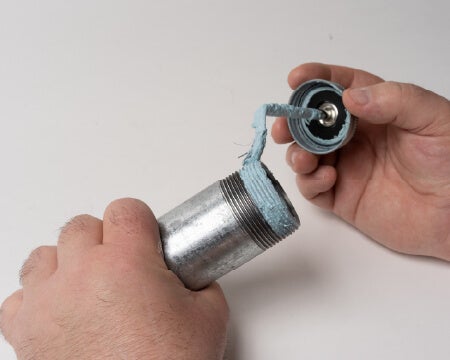
Step 3: Apply a Thin, Even Layer
Using the included brush or an applicator, coat only the male threads with a thin, uniform layer. Brush across the threads, not along them, to fill the grooves completely. To prevent material from entering the pipe system, avoid applying sealant to the first thread.
Step 4: Assemble and Tighten the Joint
Thread the connection together until snug, following manufacturer specifications. Any excess will be pushed outward as you tighten, leaving the inside of the system clean. Be careful not to overtighten, which can damage fittings.

Step 5: Allow for Curing (If Required)
Some compounds are pressurizable immediately, while others require curing time. Always check the label before testing the joint.

Step 6: Clean Up if Needed
If you need to rework a joint, wipe away excess sealant with a rag. A wire brush can help remove material from between threads. Soap and water or a vinegar-and-water mixture can be used to finish cleaning before reassembly.
Pro Tips and Best Practices When Using Pipe Dope
Once you understand the basic application process, a few extra techniques can help ensure long-term success. These best practices are drawn from both field experience and manufacturer recommendations:
- Read the label carefully. Every sealant has its own specifications for temperature range, pressure limits, and material compatibility. Double-check that the product you're using is rated for the system you're working on, whether that's potable water, steam, or gas lines.
- Select gas-rated compounds for fuel systems: Always choose a thread sealant rated for gas if you're sealing connections on propane or natural gas systems. This ensures the joint can withstand pressure and exposure without risk of leaks.
- Consider combining tape and compound on large threads: For oversized fittings, especially those on heavy-duty or industrial systems, many pros wrap the threads with PTFE tape first, then apply a thin layer of pipe dope on top. The tape, also called plumber's tape, provides added bulk, while the compound fills gaps and provides lubrication.
- Avoid contamination of the pipe interior: No matter how you apply sealant, keep it out of the pipe bore. Sealant inside the system can restrict flow, damage valves, or introduce debris into potable water. Leaving the first thread free of compound is a good habit to prevent this.
- Do not overtighten joints: Pipe dope lubricates threads, making fittings easier to overtighten. Snug joints are all that's needed. Excessive force can crack fittings, strip threads, or stress the seal.
- Reapply correctly after disassembly: If a joint needs to be disassembled, always clean off the old compound and start fresh. Residual dried paste will not provide a reliable seal the second time around.
- Store products properly: Keep containers tightly sealed and stored in moderate conditions. This prevents the compound from drying out or separating before its next use.
Common Mistakes to Avoid When Using Pipe Dope
Even seasoned pros can run into problems if pipe dope is applied incorrectly. Avoid these common errors:
- Using compound on non-threaded joints
- Overapplying so that the paste squeezes inside the pipe
- Using a product that is not compatible with plastic fittings
- Choosing a sealant not rated for potable water or gas
- Skipping the cleaning step before application
By avoiding these mistakes, you'll reduce the risk of leaks and rework.
For more guidance on matching products to your application, visit our full guide on how to select and apply pipe thread sealant.
Frequently Asked Questions
-
What is pipe joint compound used for?
-
Pipe joint compound seals threaded pipe joints to prevent leaks in water, gas, and HVAC systems.
-
-
Is pipe dope better than Teflon tape?
-
It depends on the application. Pipe dope offers superior performance in high-pressure and large-thread jobs, while tape is convenient for smaller, lower-stress fittings.
-
-
Can I use pipe dope on plastic fittings?
-
Only if the compound is specifically formulated for plastic. Most compounds are designed for metal threads.
-
-
How long should I wait after applying pipe dope?
-
Some sealants are pressurizable immediately, while others require curing. Always follow the product instructions.
-
-
Is pipe dope safe for gas lines?
-
Yes, but only if the product is rated for gas.
-